
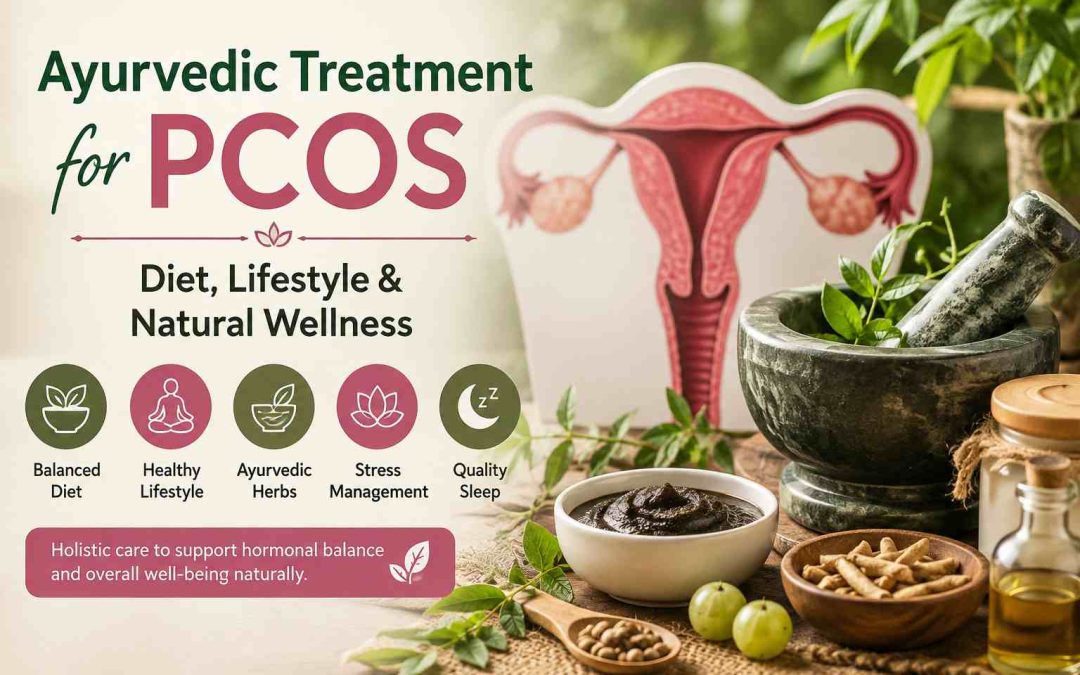
Ayurvedic Treatment for PCOS: Diet, Lifestyle & Natural Wellness
Polycystic ovary syndrome (PCOS) is a common hormonal condition that can affect menstrual cycles, metabolism, skin, hair growth, fertility and overall well-being. Managing PCOS often involves more than focusing on one symptom. Nutrition, physical activity, sleep, stress and long-term lifestyle habits can all play an important role in supporting overall health.
From an Ayurvedic perspective, wellness begins by looking at the individual as a whole. An Ayurvedic treatment for PCOS may focus on digestion, daily routines, nutrition, stress management and individualized lifestyle practices rather than taking a one-size-fits-all approach.
At Gayatri Ayurveda Natural Wellness Centre, the Ayurvedic approach can be personalized according to an individual’s constitution, lifestyle and wellness needs.
What Is PCOS?
PCOS, or polycystic ovary syndrome, is a hormonal and metabolic condition that may be associated with irregular menstrual cycles, increased androgen activity, acne, unwanted hair growth, difficulty with weight management and challenges with ovulation.
Not everyone with PCOS experiences the same symptoms. This is why understanding your individual pattern is an important part of developing a sustainable wellness routine.
From an Ayurvedic perspective, practitioners may look beyond individual symptoms and consider factors such as digestion, lifestyle, stress, sleep and overall balance.
How Does Ayurveda View PCOS?
Ayurveda takes an individualized approach to health. Rather than viewing PCOS as having one single cause, an Ayurvedic practitioner may assess different aspects of a person’s health and lifestyle.
Digestive health, daily routine, food choices, physical activity, emotional stress and sleep patterns may all be considered when creating a personalized wellness plan.
Ayurveda traditionally emphasizes maintaining balanced digestion, supporting healthy routines and keeping the body’s systems functioning harmoniously.
This holistic perspective is one reason some people explore Ayurveda for PCOS as part of their overall wellness routine. Know your Ayurvedic body type.
Common PCOS Symptoms
PCOS can present differently from person to person. Some commonly reported concerns include:
- Irregular or unpredictable menstrual cycles
- Acne or oily skin
- Increased facial or body hair
- Hair thinning
- Difficulty managing weight
- Changes in energy levels
- Challenges with ovulation
- Fertility concerns
If you experience persistent or concerning symptoms, it is important to speak with a qualified healthcare professional for proper assessment and diagnosis.
Ayurvedic Treatment for PCOS: A Holistic Approach
An Ayurvedic treatment for PCOS may involve several areas of daily wellness rather than focusing on one isolated symptom.
1. Personalized Nutrition
Food choices are an important part of a healthy lifestyle. An Ayurvedic approach may emphasize fresh, minimally processed foods and meals that are appropriate for an individual’s digestion and constitution.
Depending on individual needs, a wellness-focused PCOS diet may include:
- Plenty of vegetables
- Fibre-rich foods
- Whole grains in appropriate portions
- Lentils and other nutritious plant proteins
- Fresh seasonal foods
- Adequate hydration
- Balanced meals at consistent times
Highly processed foods, excessive added sugar and frequent overeating may be reduced as part of a healthier overall eating pattern.
There is no single Ayurvedic diet for PCOS that is appropriate for everyone. A personalized approach is generally more practical than following a rigid food list. Check more Ayurvedic diet plan.
2. Supporting Healthy Digestion
Ayurveda places significant importance on digestion.
Regular meal timing, mindful eating and choosing foods that are comfortable for your digestion can help create a more consistent daily routine.
Simple habits may include:
- Eating meals at regular times
- Avoiding frequent overeating
- Eating slowly and mindfully
- Choosing freshly prepared meals when possible
- Staying adequately hydrated
- Paying attention to how different foods affect your digestion
The goal is to develop sustainable habits rather than following extreme diets.
3. Regular Physical Activity
Movement is an important part of overall wellness for people with PCOS.
Activities such as walking, yoga, strength exercises, swimming or other enjoyable forms of movement can help support an active lifestyle.
You do not necessarily need an intense workout routine. Consistency is often more sustainable than exercising excessively for short periods.
An Ayurvedic wellness plan may incorporate movement according to an individual’s lifestyle, energy levels and needs.
4. Stress Management
Stress can affect overall well-being and may make it more difficult to maintain healthy routines.
Ayurveda traditionally emphasizes mind-body practices such as:
- Meditation
- Breathing exercises
- Yoga
- Relaxation practices
- Consistent sleep routines
- Time in nature
- Mindful daily activities
Taking a few minutes each day to slow down and focus on relaxation can become a valuable part of a long-term wellness routine.
5. Prioritizing Quality Sleep
Sleep is another important part of healthy living.
Inconsistent sleep schedules, insufficient sleep and excessive screen exposure late at night can make it harder to maintain a balanced routine.
Consider creating a consistent bedtime routine by:
- Going to bed and waking up at similar times
- Limiting stimulating activities before bedtime
- Creating a comfortable sleeping environment
- Practicing relaxation before bed
- Reducing unnecessary late-night screen time
Good sleep habits can complement nutrition, movement and stress-management practices.
Ayurvedic Herbs for PCOS
Traditional Ayurvedic wellness practices may include herbs and herbal formulations selected according to an individual’s needs.
However, herbs are not automatically suitable for everyone. The appropriate herb, formulation, dosage and duration can depend on factors such as existing medications, health conditions, pregnancy status and individual constitution.
For this reason, it is best to discuss Ayurvedic herbs for PCOS with a qualified Ayurvedic practitioner before using them.
Avoid starting multiple herbal supplements on your own simply because they are promoted online as natural solutions for PCOS.
Ayurvedic Lifestyle Tips for PCOS
Small daily habits can make a significant difference to your overall wellness routine.
Try to:
- Maintain consistent meal times.
- Choose nutritious, balanced meals.
- Include regular physical activity.
- Prioritize adequate sleep.
- Practice stress-management techniques.
- Stay hydrated.
- Avoid extreme dieting.
- Track your menstrual cycle and symptoms.
- Follow professional guidance when using herbs or Ayurvedic formulations.
- Build routines that you can maintain long term.
The goal is not perfection. Sustainable lifestyle changes are more useful than short-term restrictive routines.
Can Ayurveda Help With PCOS?
Ayurveda can provide a holistic framework for supporting lifestyle and overall wellness for people living with PCOS.
An individualized Ayurvedic wellness plan may address nutrition, digestion, movement, stress management, sleep and traditional practices based on the person’s needs.
However, PCOS is a medical condition, and Ayurvedic wellness practices should not replace diagnosis, monitoring or treatment recommended by a qualified medical professional.
If you have irregular periods, fertility concerns, significant changes in hair growth or other persistent symptoms, seek appropriate medical evaluation.
When Should You Seek Professional Guidance?
Consider speaking with a healthcare professional if you have:
- Persistent irregular periods
- Significant menstrual changes
- Difficulty becoming pregnant
- New or worsening symptoms
- Unexplained changes in weight
- Severe acne or unwanted hair growth
- Concerns about blood sugar or metabolic health
If you are interested in an Ayurvedic approach, an experienced practitioner can discuss your wellness goals and help determine which traditional practices may be appropriate alongside your existing healthcare.
Ayurvedic Treatment for PCOS in Brampton
Finding the right wellness approach starts with understanding your individual needs.
At Gayatri Ayurveda Natural Wellness Centre in Brampton, Ayurvedic consultations can provide an opportunity to discuss your lifestyle, dietary habits, digestion, stress, sleep and overall wellness goals.
Rather than following a generic PCOS routine, personalized Ayurvedic guidance can help you develop practical habits that fit your everyday life.
Start Your Ayurvedic Wellness Journey
Managing PCOS is a long-term process, and there is no single routine that works for everyone.
An Ayurvedic approach focuses on the bigger picture: nourishing your body with balanced foods, maintaining regular movement, supporting healthy digestion, managing stress, improving sleep and creating sustainable daily habits.
If you are exploring Ayurvedic treatment for PCOS in Brampton, professional guidance can help you understand how traditional Ayurvedic wellness practices may fit into your individual health journey.
Book an Ayurvedic consultation with Gayatri Ayurveda Natural Wellness Centre to discuss your personalized wellness goals.
FAQ’s:
1. What is Ayurvedic treatment for PCOS?
Ayurvedic treatment for PCOS takes a holistic approach that may include personalized nutrition, lifestyle habits, stress management, movement, sleep practices and traditional Ayurvedic wellness therapies based on individual needs.
2. Can Ayurveda help with PCOS?
Ayurveda may provide a holistic framework for supporting overall wellness while living with PCOS. An Ayurvedic practitioner may focus on nutrition, digestion, lifestyle, stress management and daily routines. Ayurvedic care should complement, rather than replace, appropriate medical diagnosis and treatment.
3. What is an Ayurvedic diet for PCOS?
An Ayurvedic diet for PCOS is individualized rather than one fixed diet. It may emphasize balanced, nutritious meals, vegetables, fibre-rich foods, appropriate portions of whole grains and plant proteins, hydration and consistent meal times.
4. Which Ayurvedic herbs are used for PCOS?
Traditional Ayurvedic practice may use different herbs or formulations depending on an individual’s needs. Herbs should not be self-prescribed because suitability can vary based on medications, health conditions and other individual factors.
5. What lifestyle changes can support PCOS wellness?
Regular physical activity, nutritious meals, adequate sleep, stress management, hydration and consistent daily routines can all be part of a healthy lifestyle for someone managing PCOS.
6. Can I visit an Ayurvedic doctor for PCOS in Brampton?
Yes. People in Brampton who are interested in an Ayurvedic approach can consult an experienced Ayurvedic practitioner to discuss their individual wellness goals and determine which traditional practices may be appropriate alongside their existing healthcare.
Recent Comments